The Psychology of Space: How Interior Design Shapes Human Behavior and Well-being

The spaces we inhabit profoundly influence our thoughts, emotions, and behaviors in ways we’re only beginning to understand. From the moment we enter a room, our brains process countless environmental cues, lighting, color, texture, layout, and acoustics that collectively shape our psychological state. This intricate relationship between our physical environment and mental well-being has become a cornerstone of modern interior design, transforming how architects and designers approach residential and commercial spaces.
Table of Contents
The Neuroscience Behind Environmental Psychology
Recent advances in neuroscience have revealed fascinating insights into how our brains respond to different spatial environments. When we enter a room, our visual cortex immediately begins processing information about ceiling height, lighting conditions, and spatial organization. High ceilings, for instance, have been shown to promote abstract thinking and creativity, while lower ceilings encourage focused, detail-oriented work.
The concept of “embodied cognition” suggests that our physical environment doesn’t just influence our mood,it actually affects our cognitive processes. Research conducted at the University of Minnesota found that participants in a room with a 10-foot ceiling performed better on creative tasks compared to those in an 8-foot ceiling environment. This phenomenon occurs because spacious environments activate neural networks associated with freedom and expansive thinking.
Color psychology plays an equally crucial role in this neurological dance. Blue environments have been shown to enhance creative performance by up to 41%, while red spaces improve attention to detail by 31%. These effects occur because different wavelengths of light stimulate various regions of the brain, triggering distinct psychological responses that can be harnessed for specific purposes.
Biophilic Design: Reconnecting with Nature Indoors
One of the most significant trends in contemporary interior design is biophilic design—the practice of incorporating natural elements into built environments. This approach recognizes humans’ innate connection to nature and leverages it to improve psychological well-being, productivity, and overall quality of life.
Studies have consistently demonstrated that exposure to natural elements, even in artificial environments, can reduce stress hormones by up to 15% and improve cognitive function by 25%. The presence of plants, natural lighting, water features, and organic materials triggers what researchers call the “restorative effect”—a psychological phenomenon that helps replenish mental energy and reduce cognitive fatigue.
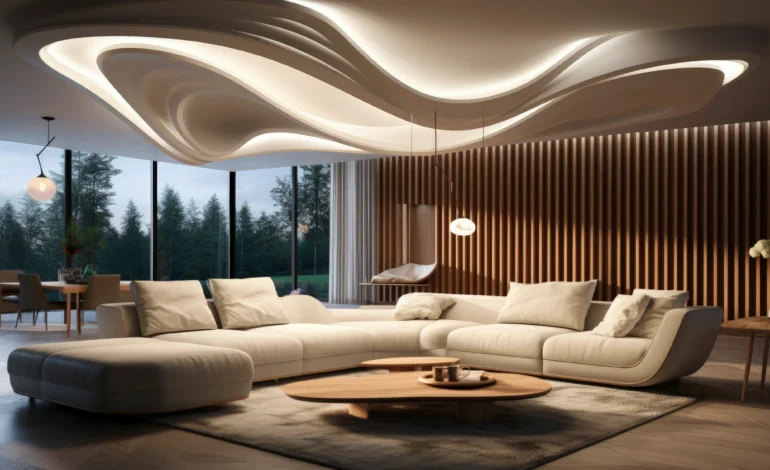
Wood elements, in particular, have shown remarkable psychological benefits. The Japanese practice of “shinrin-yoku” or forest bathing has inspired interior designers to incorporate wooden textures and finishes that evoke the calming presence of trees. Slatted wood wall panels and similar natural wood installations can create visual rhythm and warmth while maintaining the psychological benefits associated with natural materials.
The texture and grain patterns of wood activate what neuroscientists call “haptic memory”—our brain’s ability to process tactile information visually. Even when we don’t physically touch wooden surfaces, our brains simulate the tactile experience, triggering relaxation responses associated with natural environments.
The Impact of Lighting on Circadian Rhythms and Mood
Lighting design has evolved far beyond simple illumination to become a sophisticated tool for influencing human biology and psychology. Our circadian rhythms—the internal biological clocks that regulate sleep, alertness, and hormone production—are primarily controlled by light exposure patterns.
Dynamic lighting systems that mimic natural daylight cycles can significantly improve sleep quality, reduce seasonal affective disorder symptoms, and enhance overall well-being. Cool, bright light in the morning stimulates cortisol production and promotes alertness, while warm, dim lighting in the evening encourages melatonin production and prepares the body for rest.
The psychological impact of lighting extends beyond circadian regulation. Harsh fluorescent lighting has been linked to increased stress, eye strain, and even aggressive behavior, while soft, warm lighting promotes relaxation and social connection. Restaurants have long understood this principle, using intimate lighting to encourage longer stays and more positive dining experiences.
Spatial Layout and Social Psychology
The arrangement of furniture and the flow of space within a room can dramatically influence social interactions and individual behavior. Open floor plans, popularized in recent decades, were designed to promote collaboration and family togetherness. However, research has revealed both benefits and drawbacks to these layouts.
While open spaces can enhance communication and create a sense of community, they can also increase stress levels due to lack of privacy and constant visual stimulation. The absence of defined boundaries can lead to what psychologists term “attention residue”—the mental fatigue that results from processing too much environmental information simultaneously.
Conversely, well-defined spaces with clear boundaries help individuals feel secure and focused. The concept of “prospect and refuge,” borrowed from evolutionary psychology, suggests that humans feel most comfortable in spaces that offer both open views (prospect) and protected areas (refuge). This principle explains why window seats, alcoves, and partially enclosed spaces feel inherently appealing.
Color Psychology in Practice
The strategic use of color in interior design can manipulate emotions, influence decision-making, and even affect physical performance. Warm colors like red, orange, and yellow tend to stimulate energy and appetite, making them popular choices for dining areas and kitchens. Cool colors such as blue, green, and purple promote calmness and concentration, making them ideal for bedrooms and study spaces.
However, color psychology isn’t universal—cultural associations, personal experiences, and individual preferences all play crucial roles in how people respond to different hues. Designers must consider these variables when selecting color palettes that will effectively serve their intended psychological purposes.
The intensity and saturation of colors also matter significantly. Bright, saturated colors can energize and motivate but may become overwhelming in large doses. Muted, desaturated tones create sophisticated, calming environments but might feel sterile if overused. The key lies in achieving balance and contrast that serves the space’s intended function.
Acoustic Design and Psychological Comfort
Sound plays an often-overlooked role in spatial psychology. The acoustic properties of a room can significantly impact stress levels, concentration, and social behavior. Hard surfaces create reverberation and echo, which can feel energizing in social spaces but distracting in work environments. Soft furnishings, carpets, and acoustic panels absorb sound, creating quieter, more intimate atmospheres.
Background noise levels also influence psychological states. Complete silence can feel uncomfortable and unnatural, while excessive noise creates stress and fatigue. The ideal acoustic environment typically includes subtle background sounds—often called “pink noise”—that mask distracting sounds without drawing attention to themselves.
The Future of Psychologically-Informed Design
As our understanding of environmental psychology continues to evolve, interior design is becoming increasingly sophisticated in its approach to human well-being. Smart home technologies now allow for real-time adjustments to lighting, temperature, and even scent based on occupants’ activities and preferences.
Virtual and augmented reality tools are revolutionizing how designers test and refine their psychological hypotheses before implementation. These technologies allow for rapid prototyping of different environmental conditions, enabling designers to optimize spaces for specific psychological outcomes.
The integration of biometric monitoring with environmental controls represents the next frontier in psychologically-responsive design. Imagine spaces that automatically adjust their lighting, color, and acoustic properties based on occupants’ stress levels, heart rate, or cognitive load.
Conclusion
The relationship between interior design and human psychology is far more complex and influential than most people realize. Every design decision—from color choices to spatial layout, from lighting design to material selection—has the potential to enhance or diminish our psychological well-being.
As we spend increasing amounts of time indoors, understanding and applying these psychological principles becomes crucial for creating environments that truly serve human needs. The future of interior design lies not just in aesthetic appeal, but in the thoughtful orchestration of environmental elements that support our mental health, productivity, and overall quality of life.
By recognizing the profound impact our surroundings have on our psychological state, we can make more informed decisions about the spaces we create and inhabit, ultimately designing environments that nurture both body and mind.