
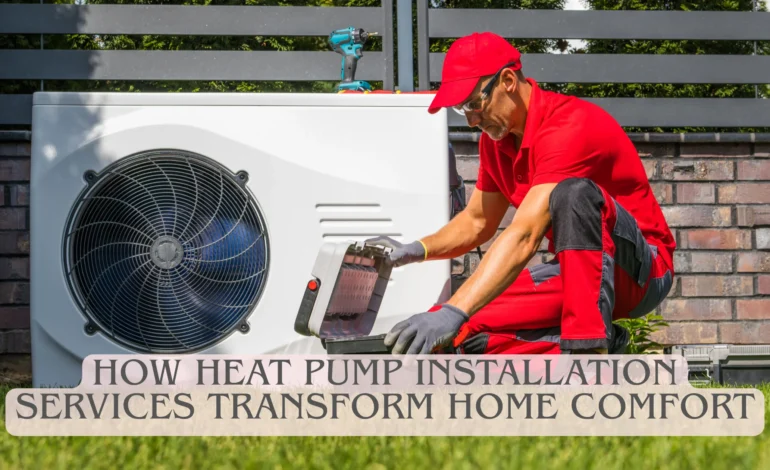
How Heat Pump Installation Services Transform Home Comfort

Heat pumps have emerged as an increasingly favored solution for homeowners seeking to maintain a consistently comfortable indoor environment throughout all seasons. These systems provide both efficient heating in winter and cooling in summer, seamlessly adapting to shifting weather conditions. If you’re considering enhancing your indoor climate, the Los Angeles home heat pump installation experts offer reliable solutions tailored to your home’s unique needs.
Unlike conventional HVAC systems, modern heat pumps transfer heat rather than generating it, significantly lowering energy consumption and utility costs. This approach ensures comfort and offers homeowners an opportunity to make more environmentally sustainable choices for their households. For those in Southern California, Los Angeles home heat pump installation services are well-positioned to address local climate demands.
Understanding Heat Pumps
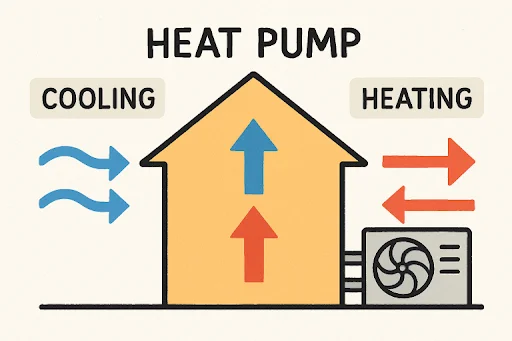
Heat pumps harness natural temperature differences, moving heat between the inside and outside of your home as needed. In cold months, they capture warmth from outdoor air (or ground, depending on type) and bring it indoors. When temperatures rise, the system reverses, expelling indoor heat outside. This technology allows for energy-efficient climate control, minimizing the reliance on less efficient traditional heating or cooling appliances.
This dual-purpose capability means homeowners can enjoy consistently comfortable indoor temperatures with a single device. The underlying process relies mainly on electricity and a small amount of refrigerant, making it far more energy efficient than using gas or resistive heating methods.
Benefits of Heat Pump Installation
- Energy Efficiency: Heat pumps can consume as little as one quarter of the energy that standard resistance heaters or air conditioners require by relocating heat instead of generating it. This leads to substantial savings on energy bills over time. According to the U.S. Department of Energy, modern heat pumps can reduce electricity use for heating by about 50% compared to electric resistance heating.
- Lower Environmental Impact: With reduced reliance on fossil fuels, heat pumps emit less greenhouse gas, helping shrink your home’s carbon footprint. This strongly supports global sustainability goals as countries strive to decarbonize the residential sector.
- Consistent Year-Round Comfort: Whether you’re experiencing a heat wave or a cold snap, heat pumps provide uniform and dependable indoor temperature, eliminating uncomfortable hot or cold spots. Many units feature smart thermostats and zoning for personalized room-by-room control, further optimizing comfort.
Types of Heat Pumps
The right heat pump depends on your home’s layout, existing ductwork, and local climate. Common types include:
- Air Source Heat Pumps extract and disperse heat from the ambient air. They are popular due to their versatility and ease of installation, and models are now available that perform efficiently even in colder climates.
- Ground Source (Geothermal) Heat Pumps: Geothermal systems use stable temperatures below the earth’s surface to deliver highly efficient heating and cooling. Although they have higher installation costs because of required groundwork, savings accrue over the long term due to lower operating costs and top energy efficiency.
- Mini-Split (Ductless) Heat Pumps: An effective solution for homes lacking ductwork, these units control temperatures in individual zones or rooms. They’re known for quick installation and flexible placement, expanding comfort without major renovations.
Installation Considerations
- Home Assessment: At the outset, a comprehensive evaluation determines which system best suits the household size, insulation level, and any existing heating or cooling infrastructure.
- Professional Installation: Qualified technicians ensure the system is appropriately sized and installed. This is crucial for peak system efficiency, as poor installation can lead to higher operational costs and reduced equipment lifespan.
- Regular Maintenance: Periodic filter replacement, refrigerant checks, and system inspections can extend the heat pump’s life and maintain optimal performance. Many professional installers provide ongoing maintenance plans to keep your investment running smoothly.
Financial Incentives and Support
In the United States, homeowners installing heat pumps can access a range of financial incentives designed to make energy-efficient upgrades more affordable. Under the Inflation Reduction Act, eligible households may receive federal tax credits of up to 30% of the cost, with a cap of $2,000 for qualifying heat pump systems. Additionally, many states and utility companies offer rebates and low-interest financing programs that reduce upfront expenses. Programs like ENERGY STAR-certified incentives support high-efficiency units, encouraging environmentally friendly choices. Income-based incentives may also provide greater benefits to low- and moderate-income households. These financial support options aim to accelerate the adoption of clean energy while helping Americans lower their utility bills and reduce carbon emissions. Homeowners must consult local energy offices and rebate databases to maximize their savings. These heat pump installation incentives can significantly offset costs and support a more energy-efficient, sustainable home environment.
Real-Life Impact
The benefits of heat pumps are not just theoretical. In the U.S., an ambitious coalition of 25 governors and the federal administration has committed to quadrupling national heat pump installations to 20 million homes by 2030. This unprecedented effort highlights the growing recognition of heat pumps as vital technology for a cleaner, more energy-efficient future. According to The New York Times, this shift is expected to impact residential energy consumption and carbon emissions nationwide profoundly.
Conclusion
Heat pump installation services provide a highly effective solution for homeowners aiming to boost energy efficiency, reduce long-term utility expenses, and minimize their environmental impact. Modern heat pump systems offer heating and cooling functions, making them a versatile, all-season option suitable for various home sizes and layouts. These systems are designed to perform well even in variable climate conditions like those in Los Angeles. Additionally, many local and federal programs offer tax credits or rebates, making switching to a heat pump more financially accessible. Choosing to install a heat pump is not only a smart economic move but also a commitment to sustainable living. For homeowners, it’s a step toward greater comfort, long-term savings, and environmentally responsible energy use.