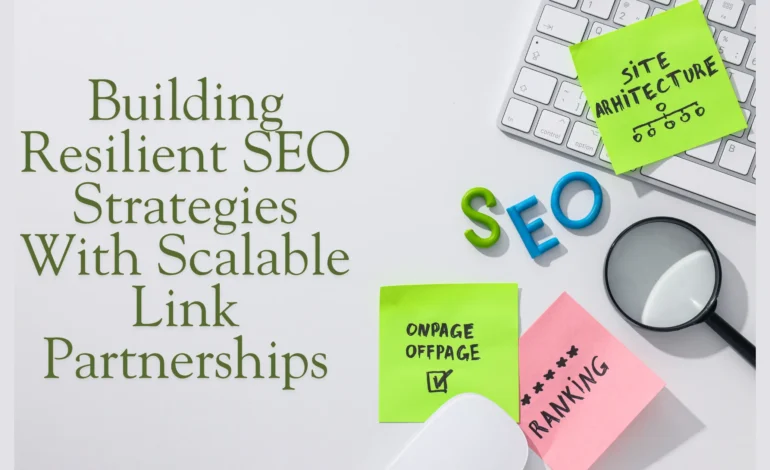
Building Resilient SEO Strategies With Scalable Link Partnerships

Why Scalability Matters in Link-Building Today
The search landscape is evolving at a breakneck pace, driven by frequent search engine algorithm changes, new platforms, and increasing demands for quality content. In such an environment, the ability to scale link-building activities is more than a luxury—it’s essential for agencies and businesses intent on sustainable growth. As recent industry updates highlight, scalable solutions help firms navigate volatility and seize emerging opportunities faster.
Agencies and brands face mounting pressure to deliver results for more clients with finite resources. Traditional outreach methods quickly hit a ceiling, hampered by manual processes and limited relationship networks. By contrast, scalable link-building strategies—especially those embedded within a white label SEO partnership—provide the structure, expertise, and bandwidth to deliver links at volume while upholding quality and transparency.
Table of Contents
A significant advantage of a scalable approach is consistency: maintaining a high standard of link quality, reporting, and communication, regardless of client growth or shifts in search behavior. Scale isn’t just about more links; it’s about multiplying results through innovative systems, automation where appropriate, and leveraging external partnership capabilities without compromising your agency’s reputation.
The end goal is long-term, compounding SEO value: earning trustworthy backlinks from relevant sites, improving organic search visibility, reacting to algorithm updates, and proactively building resilience in link acquisition processes.
Read Also: Crafting an Effective SEO Strategy in a Digital World
The Core Elements of Effective Link Partnerships
Successful link-building partnerships are built on outreach proficiency, content quality, authentic relationship-building, and transparent reporting. Effective outreach ensures agencies connect with the right publishers and influencers—those who align not just with target keywords but also with their clients’ brand values and audience interests. Outreach must be personalized, value-driven, and persistent, fostering mutually beneficial relationships.
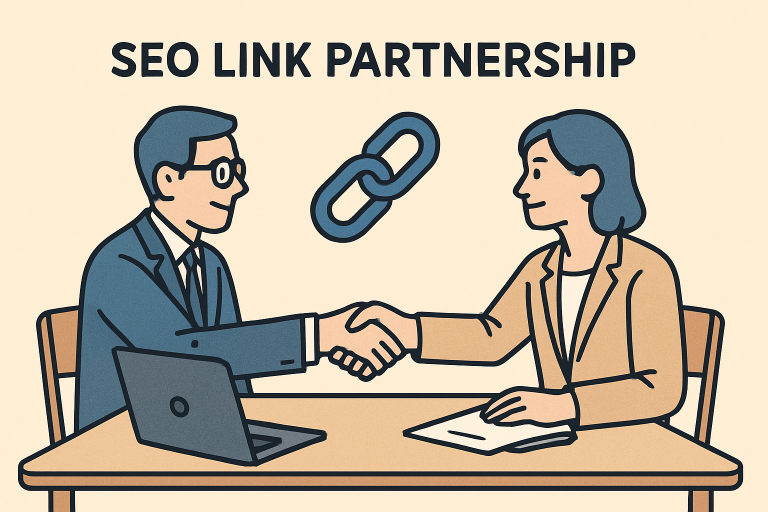
Content remains the linchpin; great content is a magnet for organic links and an asset to offer during outreach. Agencies can unlock more opportunities and higher-value placements when paired with continuous relationship cultivation—follow-ups, reciprocation, and clear communication. Regular, transparent reporting completes the loop, empowering clients with real data and insights while bolstering trust and accountability.
Utilizing White Label Solutions for Efficiency
White-label solutions have emerged as a cornerstone for agencies looking to boost their link-building capacity without overwhelming internal teams. Through a white-label SEO partnership, agencies gain access to established outreach channels, a vetted publisher network, and specialized workflow automation—all under their own brand. This model streamlines link acquisition and enables in-house teams to focus on client strategy and campaign planning.
For example, agencies may adopt collaborative project management platforms shared with white label partners for seamless communication and task delegation. Pre-approved content briefs and efficient approval pipelines cut turnaround times, while shared quality control checkpoints ensure no corners are cut.
Best Practices for Transparent and Ethical SEO Growth
Transparency and ethical link-building aren’t just buzzwords—they’re necessary for sustainable SEO. Agencies must adhere to clear disclosure standards with partners and clients, provide honest reporting, and avoid tactics forbidden by search engine guidelines. Prioritizing value-driven activities that benefit your client and the linking site’s readership is vital. Reference resources such as Ahrefs’ link-building guide can serve as ongoing benchmarks for best practices.
Regular vetting is essential—link sources should be high-quality, relevant, and earned through legitimate means. Agencies must also stay informed through industry watchdogs and organizations that highlight emerging risks or deceptive tactics in the broader SEO landscape.
Key Metrics and Reporting for Sustainable Progress
Monitoring the right metrics is non-negotiable to sustain and improve link-building success. Track not only the raw number of links acquired but also their quality, referring domain authority, topical relevance, anchor text diversity, and acquisition velocity. Watch out for sudden spikes or drops that signal algorithmic penalties or poor link practices.
For meaningful reporting, also analyze the impact of links on organic traffic, keyword rankings, and conversions. As outlined by Moz, measuring link-building ROI ensures leadership and clients can see the direct value driven by collaborative efforts, allowing for more intelligent budget allocation and risk assessment.
Read Also: Eyexconcom: The Ultimate Tech Hub for Reviews, Insights, and Innovation!
Common Mistakes and How to Avoid Them
A few recurring pitfalls can derail scalable link-building strategies: over-automation that sacrifices personalization, prioritizing quantity over quality, inadequate vetting of link sources, and treating link-building as separate from overall content strategy. Avoid these by maintaining a “human in the loop,” using automation to supplement, not replace, informed decision-making.
Integrate link-building with broader marketing and content campaigns to ensure relevance and sustainability. Establish regular review cycles and independent quality checks, and create actionable feedback loops for refinement and improvement.
The Value of Continuous Improvement and Staying Informed
SEO is never static. Continuous learning and adaptation set high-performing teams apart—invest in ongoing education, regular audits, and engagement with industry developments. Subscribe to reputable newsletters like Search Engine Land’s daily brief and join active SEO forums to stay ahead of Google updates, emerging outreach tactics, and compliance changes.
Make “what’s next?” a regular team conversation, audit link profiles quarterly, and stay open to new tools or workflows that drive results without sacrificing ethics or transparency.
Conclusion: Building Lasting Value Through Smarter Partnerships
Resilient link-building strategies hinge on scalable, ethical, and collaborative partnerships in a fast-moving search ecosystem. Agencies and businesses can confidently navigate complexity, maintain long-term visibility, and deliver exceptional value for their clients by embracing the efficiencies of a well-matched white label SEO partnership. The key is a mindset rooted in transparency, quality, and adaptability—the foundation for link-building strategies that endure and thrive no matter how the SEO landscape evolves.