How Utility Companies Build Trust Through Community Engagement

Building trust with customers isn’t about grand gestures; it’s about the small, consistent interactions that add up over time. Utility companies can build this trust by focusing on clear and positive communication. This means reaching out beyond just outage notices or bills. Think about sharing helpful energy-saving tips, informing customers about new programs they might benefit from, or explaining new technologies that can help them manage their energy use better. These consistent touchpoints show respect and support, making customers feel valued.
Consistent communication is the bedrock of customer trust. It’s about creating a steady stream of positive interactions. When utility companies make an effort to connect regularly, even with simple messages, they build goodwill. This approach helps establish mutually beneficial relationships where customers feel informed and supported. This consistent communication is key to building that “anatomy of trust” that makes customers feel secure and connected to their provider.
It’s important to remember that trust is built in small moments. By focusing on frequent, genuine interactions, utility companies can turn everyday touchpoints into opportunities to strengthen customer relationships. This consistent communication strategy helps create more engaged customers who are more likely to participate in programs and view the utility favorably. Building trust through consistent communication isn’t just good practice; it’s a smart business strategy.
Table of Contents
Engaging Underserved Communities Effectively
Identifying and Inviting Historically Disadvantaged Voices
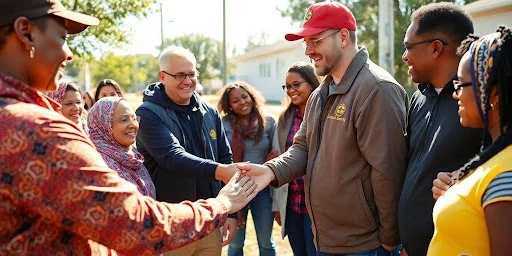
Reaching out to communities that have historically been left out is a big deal for utility companies. It’s about making sure everyone gets a say, especially those who might not usually speak up. This means actively looking for and inviting people from disadvantaged backgrounds to share their thoughts and needs. It’s not enough to just put out a general announcement; you have to go where these communities are and make them feel welcome and heard. This effort helps build a foundation of trust, showing that the utility is serious about including everyone in the conversation about their energy future. Making sure these voices are part of the process is key to developing fair and effective programs.
Addressing Energy Burdens with Targeted Programs
Many underserved communities struggle with high energy costs, meaning a larger chunk of their income goes towards keeping the lights on and the house warm or cool. This is known as an energy burden. Utilities can help by creating specific programs aimed at reducing these costs. Think energy efficiency upgrades, weatherization services, or even assistance with bills. The trick is making these programs easy to access and understand. If people don’t know about them, or if they seem too complicated, they won’t get used. Targeted programs that directly address energy burdens are a powerful way to show a commitment to these communities.
Partnering with Trusted Community-Based Organizations
Building trust with underserved communities often means working with groups that already have strong ties and credibility within those areas. These could be local churches, community centers, food banks, or neighborhood associations. These organizations understand the community’s needs and speak the same language, both literally and figuratively. By partnering with them, utilities can tap into existing relationships to spread information about programs, gather feedback, and even help deliver services. This collaboration makes the utility’s efforts feel more genuine and less like an outside imposition. It’s a way to meet people where they are, through faces and voices they already know and trust. This approach is vital for effective community engagement.
Collaborative Program Design and Delivery
Partnering with Communities for Program Development
Utilities can build stronger relationships by involving community members right from the start when creating new programs. This means asking people what they need and how they think things should work. It’s about making sure programs actually help the people they’re meant for. When communities help design programs, they feel more ownership and are more likely to participate. This collaborative approach helps utilities understand local needs better and create solutions that fit.
Co-Creating Solutions for a Cleaner Energy Future
Working together with communities allows for the development of innovative solutions for a cleaner energy future. This partnership can involve sharing data and insights, like tracking local air quality, to address specific environmental concerns. By co-creating, utilities and communities can develop programs that are not only effective but also equitable, ensuring that everyone benefits from the transition to cleaner energy. This shared effort builds trust and a common goal.
Ensuring Equitable Benefit Distribution
When designing programs, it’s important to think about how everyone benefits, especially those who have historically been left out. This means making sure that the advantages of new energy projects and programs are shared fairly across all parts of the community. Utilities should work with community groups to figure out the best ways to distribute these benefits, whether it’s through job training, lower energy costs, or improved local services. This focus on fairness is key to building lasting trust and support.
The Impact of Small Moments in Customer Relations
Building Goodwill Through Frequent, Genuine Interactions
Utility companies can build trust by focusing on the small moments that happen during customer interactions. These moments, when handled with care and authenticity, form the bedrock of a strong customer relationship. Think about it: a quick, friendly greeting on the phone, a clear explanation of a bill, or even a helpful tip shared via email can make a big difference. These aren’t grand gestures, but they add up. When a utility consistently shows up with genuine helpfulness, customers start to see them not just as a service provider, but as a reliable partner.
These frequent, genuine interactions are key to building goodwill. It’s about more than just fixing problems; it’s about proactively offering support and information. For instance, sending out personalized energy-saving tips based on a customer’s usage patterns, or providing advance notice about planned maintenance, shows that the company cares about its customers’ experience. This consistent positive engagement helps to create a reservoir of goodwill, making customers more understanding when occasional issues do arise.
Ultimately, these small moments are where trust is forged. They create opportunities for connection that go beyond the transactional. By making every interaction count, utility companies can cultivate a sense of reliability and care. This approach transforms routine customer service into a chance to strengthen the bond, making customers feel valued and understood. It’s this consistent, positive reinforcement that builds lasting trust.
The ‘Anatomy of Trust’ in Utility Customer Engagement
Understanding the ‘anatomy of trust’ is vital for utility companies aiming to connect with their customers. This concept, often explained through metaphors like a marble jar, highlights how trust is built incrementally through small, positive actions. Each genuine interaction, each helpful piece of information, adds a ‘marble’ to that jar. Over time, these small contributions accumulate, creating a strong foundation of trust.
For utilities, this means paying attention to every touchpoint. From the initial setup of service to handling a billing inquiry or responding to an outage, each interaction is an opportunity to build or erode trust. Focusing on positive messaging channels and making these interactions genuine and frequent is how utilities can effectively build trust. It’s not about one big event, but the consistent pattern of good behavior that truly matters to customers.
When utilities consistently get these small moments right, they demonstrate respect and reliability. This builds a sense of confidence in customers, making them more likely to engage with new programs or adopt new technologies. It’s this steady accumulation of positive experiences that defines the ‘anatomy of trust’ in the utility-customer relationship.
Turning Touchpoints into Mutually Beneficial Relationships
Every interaction a customer has with their utility is a touchpoint, and these moments can be transformed into opportunities for building mutually beneficial relationships. It’s about moving beyond a purely transactional exchange to create a connection where both the utility and the customer gain something positive. This requires a deliberate effort to make each touchpoint meaningful and helpful.
Consider a customer calling with a question about their bill. Instead of just providing the answer, the representative could also offer information about energy efficiency programs that might save the customer money. This adds value beyond the immediate request, turning a routine call into a chance to strengthen the relationship and provide a tangible benefit. Such proactive helpfulness fosters a sense of partnership.
By consistently making these touchpoints positive and informative, utilities can cultivate a loyal customer base. When customers feel that their utility is looking out for their best interests, they are more likely to participate in company initiatives and provide valuable feedback. This creates a cycle of positive engagement that benefits everyone involved, solidifying the relationship into something truly mutually beneficial.
Enhancing Customer Engagement with Black Hills Inc.
Black Hills Inc. understands that building strong customer relationships goes beyond just providing reliable service. It’s about creating meaningful connections and showing genuine care for the communities they serve. This commitment is reflected in their approach to customer engagement, focusing on understanding and responding to customer needs.
Learning from Utility Customer Champions
Utility customer champions are those individuals and organizations that consistently demonstrate excellent customer engagement. Black Hills Inc. actively studies these examples to identify best practices. They look at how these champions communicate, how they involve customers in decision-making, and how they build trust over time. This learning process helps them refine their own strategies.
Strategies for Improving Customer Relationships
Improving customer relationships requires a multi-faceted approach. Black Hills Inc. focuses on several key strategies. They prioritize clear and consistent communication, making sure customers are informed about important updates and programs. They also invest in training their staff to handle customer interactions with empathy and efficiency.
Building goodwill through frequent, genuine interactions is key. Every touchpoint is an opportunity to strengthen the relationship.
Data-Driven Approaches to Customer Experience
Black Hills Inc. uses data to understand customer behavior and preferences. This allows them to tailor their programs and communications more effectively. By analyzing feedback and usage patterns, they can identify areas for improvement and proactively address potential issues. This data-driven approach helps them make informed decisions that benefit both the company and its customers, leading to a better overall customer experience.
Measuring Success in Community Engagement Efforts
Setting Key Performance Indicators for Engagement
Figuring out if your community engagement is actually working means you need to track it. It’s not enough to just show up; you need to know if people are paying attention and if your efforts are making a difference. Setting clear goals, or Key Performance Indicators (KPIs), is the first step. Think about things like how many people show up to your events, how many sign up for your newsletters, or how satisfied customers are with the information you provide. These numbers give you a real picture of your progress.
It’s important to be upfront about how you’ll use the data you collect. Sharing your findings and showing how customer feedback has actually changed what you do builds a lot of trust. It shows people that their input matters and encourages them to keep participating. This kind of transparency is key to successful community engagement.
Tracking Participation and Reach
Knowing who you’re reaching and how many people are involved is a big part of measuring success. Are your social media posts getting seen by the right people? Are customers clicking on links to learn more about your programs? Tracking these metrics helps you understand what’s working and what’s not. It’s about seeing if your message is getting out there and if people are responding.
For instance, if you host a workshop, track how many people registered, how many attended, and what feedback they gave afterward. This data helps you see the direct impact of your efforts. It’s not just about the number of people, but also about the quality of their engagement and whether they found the information useful.
Using Feedback to Refine Services and Build Trust
Customer feedback is gold. It tells you what you’re doing well and where you need to improve. Actively seeking out and listening to this feedback is how you refine your services and, importantly, build trust. When customers see that their opinions lead to real changes, they feel more valued and connected to the utility.
Regularly asking for input, whether through surveys, comment cards at events, or online forums, creates a two-way street for communication. This ongoing dialogue is what strengthens relationships and makes community engagement a continuous improvement process.
This feedback loop is vital. It allows you to adapt your programs and communication strategies to better meet the needs of the community. By showing that you listen and act on what you hear, you demonstrate a genuine commitment to serving your customers, which is the bedrock of lasting trust.
The Role of Face-to-Face Interaction
Sometimes, you just need to talk to someone in person. For utility companies, this means getting out there and meeting people where they live. It’s about more than just sending emails or posting online; it’s about showing up.
Organizing Low-Cost Community Events
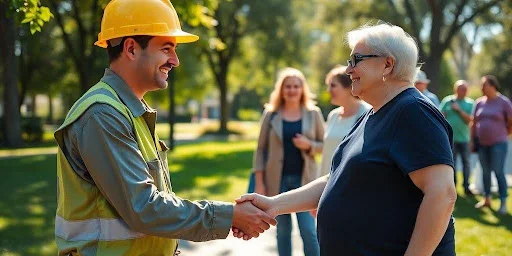
Think about local fairs, neighborhood block parties, or even simple workshops. These events don’t need to be fancy or cost a lot of money. The main goal is to be present and connect with people directly. It shows you care about the community you serve. These face-to-face interactions build a different kind of trust, one that digital communication can’t quite match. It’s a chance to really listen and answer questions on the spot.
Mobile Support Buses for Neighborhood Connections
Some utility companies have started using mobile support buses. These buses travel into different neighborhoods, bringing services and information right to people’s doorsteps. It’s a practical way to reach folks who might not be able to come to a central office. Representatives on the bus can help with billing questions, explain new programs, or just gather feedback. This direct engagement makes a big difference in how people feel about their utility provider.
Direct Engagement for Answering Questions and Gathering Feedback
When people can talk to a real person, face-to-face, it clears up a lot of confusion. It’s easier to explain complex issues like rate changes or new energy programs when you can see and talk to someone. This direct engagement also provides a great opportunity to hear what people are actually thinking and feeling. Gathering feedback this way is super important for improving services and building that all-important trust. It’s about making sure everyone feels heard and understood.
Building Lasting Trust Through Community Connection
Ultimately, utility companies build trust by consistently showing up for their communities. It’s not just about providing power or water; it’s about being a good neighbor. This means actively listening, being present both online and in person, and making real efforts to understand and address local needs. When utilities partner with community groups, share information openly, and create programs that genuinely benefit residents, they move beyond being just a service provider. They become a valued part of the community fabric. This ongoing commitment to engagement, even with limited resources, strengthens relationships, boosts customer satisfaction, and paves the way for a more collaborative future for everyone.